

Seeing the Unseen:
The Truth About Rabbit and Rodent Welfare
Rabbits and rodents are often seen as simple or easy companions, but their needs are far more complex than many realise. Sadly, these animals are some of the most overlooked when it comes to welfare, with outdated beliefs, poor advice, and broken systems contributing to widespread, but often unintentional, suffering. True welfare goes beyond meeting basic needs; it’s about providing a life where these animals can thrive. In this section, we explore the challenges they face, the ways in which current practices fall short, and what good welfare really looks like. Through greater understanding, we can start to create real and lasting change for these vulnerable animals.
Why We Need to Talk About Welfare
Welfare is about more than simply surviving — it’s about giving animals the chance to live healthy, fulfilling, and enriching lives. For rabbits and rodents, this means having enough space to move and explore, the opportunity to express natural behaviours, appropriate companionship, balanced diets, and environments that support both physical and emotional wellbeing.
Discover more about what good welfare really means - Read our blog
Despite this, rabbits and rodents are still widely misunderstood when it comes to welfare. Much of the advice available to guardians hasn’t kept pace with modern understanding — and many people are simply following what they’ve been told by pet shops, packaging, or long-standing “accepted” norms.
The challenge is that much of this guidance hasn’t been updated to reflect current evidence. Commercial pressures within the pet trade have helped entrench outdated ideas about space, diet, and enrichment — meaning that well-intentioned people are often never shown what good welfare should look like.
When welfare needs are properly met, the difference is clear. Rabbits become more confident and expressive, showing behaviours like binkying, foraging, and exploring their space. Hamsters dig, nest, and explore rather than displaying signs of stress or frustration. Good welfare allows animals to thrive — and helps guardians build deeper, more rewarding relationships with them.
Understanding where gaps still exist, and learning how to improve standards, is an important step towards lasting change.
Explore the topics below to learn more about the unseen challenges facing rabbits and rodents — and how, together, we can work towards a better future for them.
The Hidden Suffering

Even when given with love, care based on outdated or incomplete information can unintentionally cause harm. Many rabbits and rodents live in environments that meet only the most basic requirements, while important physical and emotional needs go unmet.
This topic looks at the often unseen welfare challenges these animals face — and why recognising the difference between surviving and truly thriving is key to improving their lives.
How the Law Fails Them
.png)
The law recognises that rabbits and rodents have welfare needs — yet in practice, those needs are not always adequately protected. While legislation exists, it often relies on outdated standards that haven’t kept pace with modern scientific understanding of what these animals require to thrive.
As a result, unsuitable housing, limited space, and other welfare issues can remain legally permitted, even when evidence shows they compromise wellbeing.
This topic explores the gap between the law, the science, and everyday reality — and why evidence-based welfare standards are essential for meaningful protection.
When Rescue Falls Short
.jpg)
Rescue is often seen as the safest place for an animal to land. But without consistent standards or regulation, welfare provision can vary — particularly for rabbits and rodents, whose needs have long been shaped by outdated advice.
This topic explores how rescue environments can sometimes reflect wider cultural misunderstandings, and why recognising the difference between temporary care and truly welfare-led practice is essential to raising standards.
When Interaction Becomes Stress
.jpg)
Petting zoos and farm parks are often seen as educational, family-friendly spaces. But for prey species such as rabbits and rodents, repeated handling, limited housing and high visitor interaction can create significant stress.
This topic explores the welfare challenges associated with public interaction settings, and why understanding the needs of prey animals is essential when balancing education, entertainment and wellbeing.
The Pet Trade Problem
.jpg)
Rabbits and rodents are widely sold as low-maintenance companions, often presented in ways that prioritise convenience and sales over long-term welfare. From impulse purchases to misleading advice about housing, diet, and lifespan, the commercial pet trade plays a significant role in shaping how these animals are perceived and cared for.
This topic explores how profit-driven systems can fall short of animals’ needs — and why understanding where companion animals come from, and how they’re marketed, matters for their welfare.
The Veterinary Gap
.jpg)
Rabbits and many common rodent species — including hamsters, gerbils, and rats — are still classified as exotic within the veterinary profession, despite being among the most commonly kept companions in the UK. As a result, training and experience with these animals can vary widely between practices.
This isn’t always clear to guardians, and access to specialist exotics veterinary care isn’t available everywhere.
This topic explores how gaps in training and availability can affect diagnosis and treatment — and why improved recognition and support for rabbit and rodent medicine is essential for their welfare.
Breeding and Welfare: A Broken System
.jpg)
While the breeding of dogs and cats is regulated and licensed, the breeding of rabbits and rodents remains largely unregulated. This lack of oversight means there are no consistent minimum welfare standards, routine inspections, or clear requirements around housing, health, or social needs.
Without regulation, animals may be bred and sold without up-to-date welfare guidance being passed on to guardians at the point of sale.
This topic explores how gaps in breeding oversight contribute to poor welfare outcomes — and why meaningful standards are essential to protect these animals from the very start of their lives.
The Myth of 'Easy Pets'
.jpg)
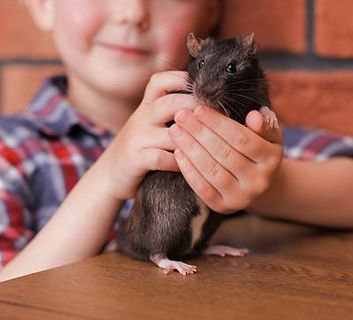
Rabbits and rodents are still widely described as “easy” or “low-maintenance” companions, often recommended as suitable first animals for children. This long-standing narrative can hide the reality that these species have complex welfare needs requiring space, knowledge, and consistent adult responsibility.
When animals are treated as simple or temporary commitments, their needs can be unintentionally overlooked, leading to welfare problems that many guardians never intended to cause.
This topic explores how the “easy pet” narrative developed, how it continues to shape expectations around care, and why recognising rabbits and rodents as complex, sentient individuals is essential for their long-term welfare.
How You Can Help Drive Change
Real change begins with understanding — and grows when that understanding is put into action. By learning more about welfare, questioning outdated norms, and supporting higher standards, we move closer to a future where rabbits and rodents are no longer overlooked, but given the care and consideration they deserve.
Here at Nibbles, we work towards that future every day. Alongside rescue, rehabilitation, and rehoming, we advocate for better welfare standards so fewer animals suffer in the first place. This work matters — and it is only possible because people choose to stand with us.
We receive no statutory funding and rely entirely on public support to continue both our frontline rescue work and our wider welfare and advocacy efforts. Whether through a one-off donation or a small monthly pledge, every contribution helps protect animals in need today while building lasting change for many more tomorrow.
Together, we can ensure rabbits and rodents are not just rescued when things go wrong — but are understood, protected, and given the lives they deserve from the very start.